



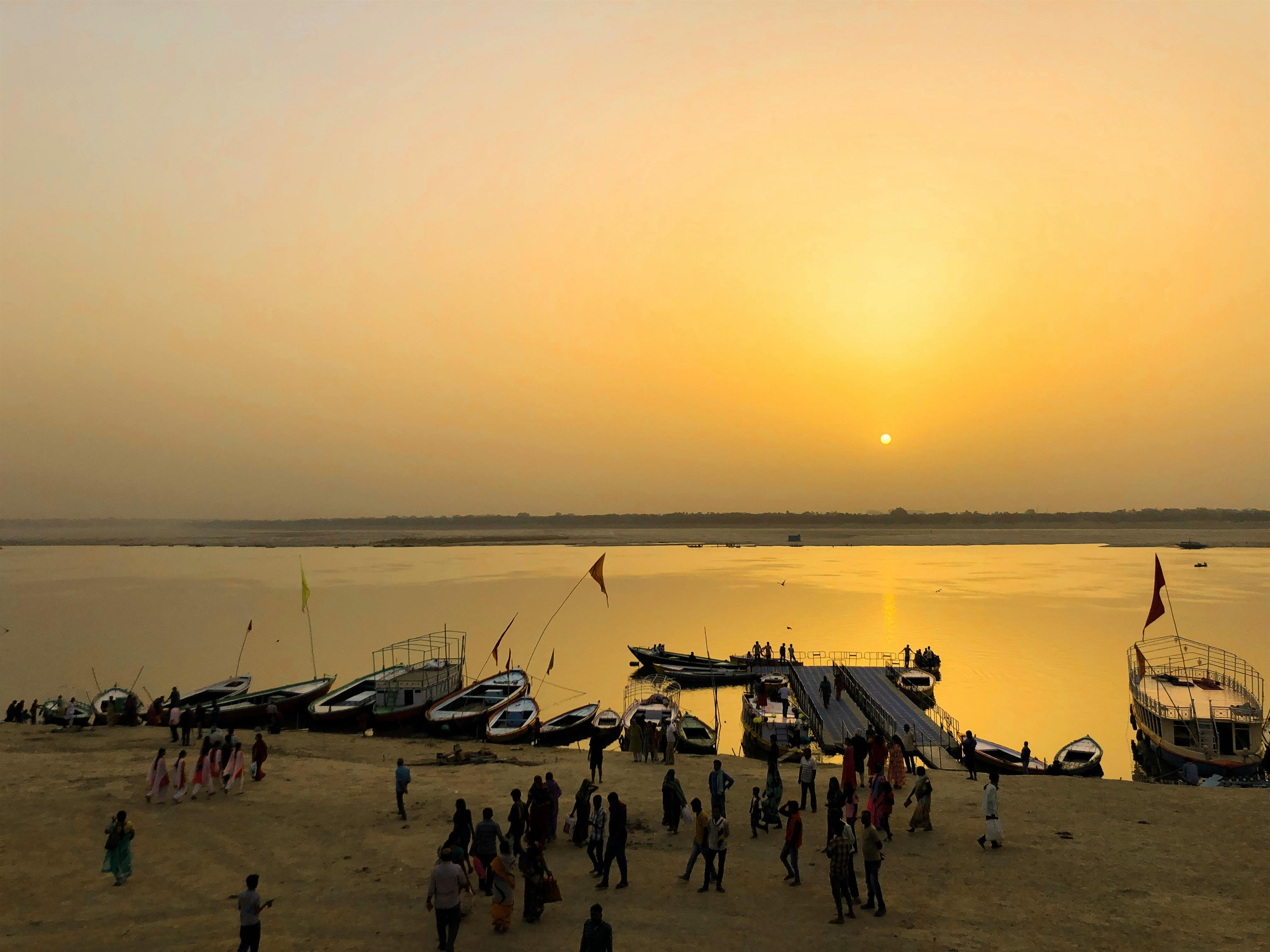
A Glimpse into Varanasi’s History and Culture
Varanasi's history spans over 3,000 years, making it one of the world’s oldest continuously inhabited cities. Its significance in Hinduism is unparalleled, as it is believed to be the abode of Lord Shiva, one of the principal deities in Hinduism. The city's name, Varanasi, is derived from the two rivers, Varuna and Assi, that flow through the city. Varanasi has been a center of learning, culture, philosophy, and religion for centuries, and its legacy continues to shape India today.
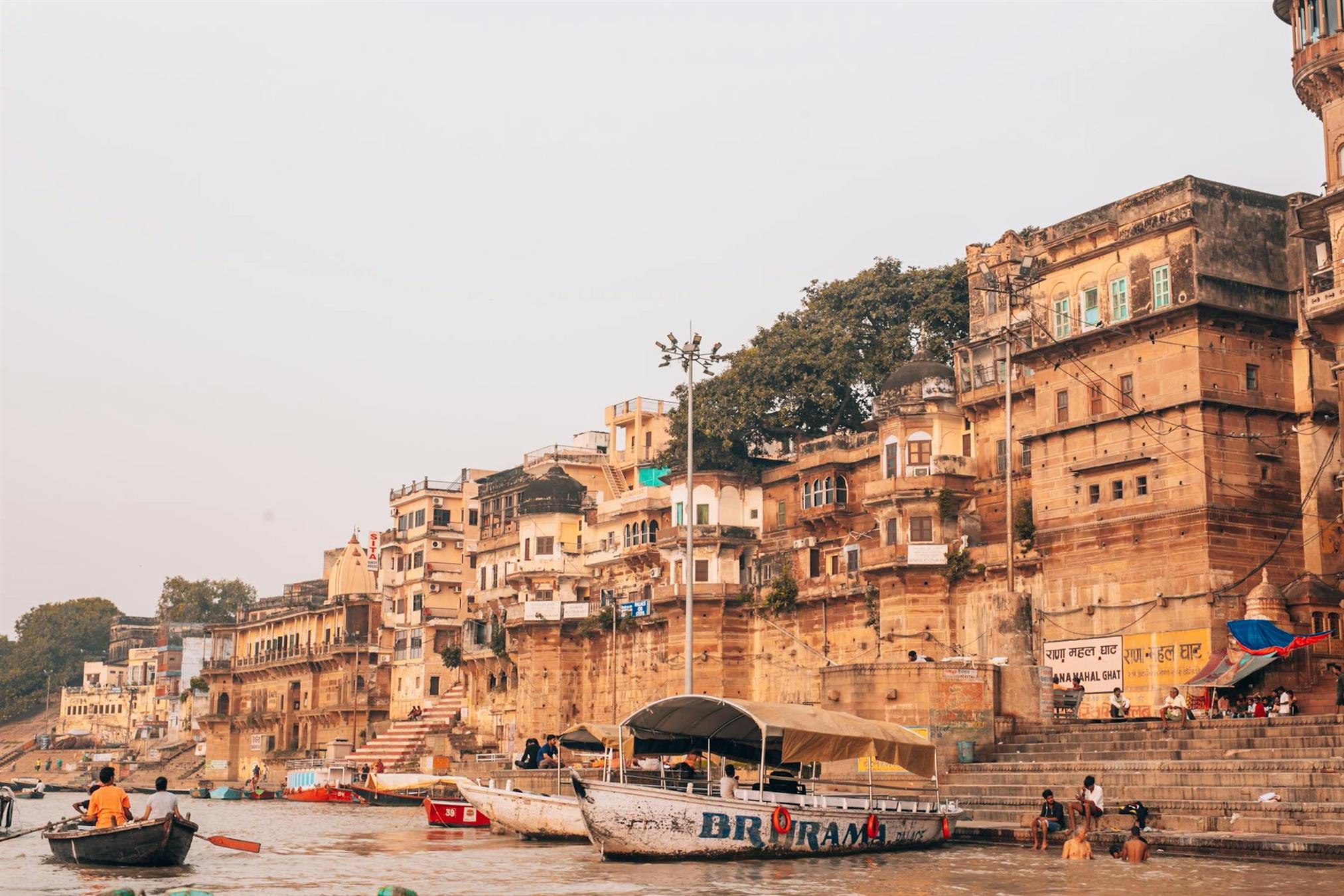
The city is also known for its rich blend of traditional music, dance, and art. The ancient temples, ghats (steps leading to the river), and the bustling narrow lanes contribute to the city's spiritual and cultural charm.
Spiritual Significance
Varanasi holds immense religious significance for Hindus. It is believed that those who die in Varanasi are liberated from the cycle of birth and death (moksha). Pilgrims come to Varanasi to bathe in the Ganges River to cleanse themselves of sins and to perform the last rites for their deceased loved ones.
Some of the most sacred and important religious spots in Varanasi include:
-
Kashi Vishwanath Temple: This ancient Hindu temple, dedicated to Lord Shiva, is one of the most important pilgrimage sites in India. Its golden spire is an iconic symbol of Varanasi.
-
Manikarnika Ghat: This ghat is one of the most famous in Varanasi and is considered to be the main cremation ghat. It holds deep spiritual and cultural significance for the Hindu community.
-
Dashashwamedh Ghat: This is the most famous ghat in Varanasi and is known for its evening Ganga Aarti. The aarti is a mesmerizing ritual performed to honor the Ganges River, featuring fire, chants, and devotional music. It draws thousands of visitors every evening.
-
Tulsi Ghat: This ghat is dedicated to the poet-saint Tulsi Das, who wrote the epic Ramcharitmanas. It is a place of cultural and spiritual importance.